Cumulo Collection
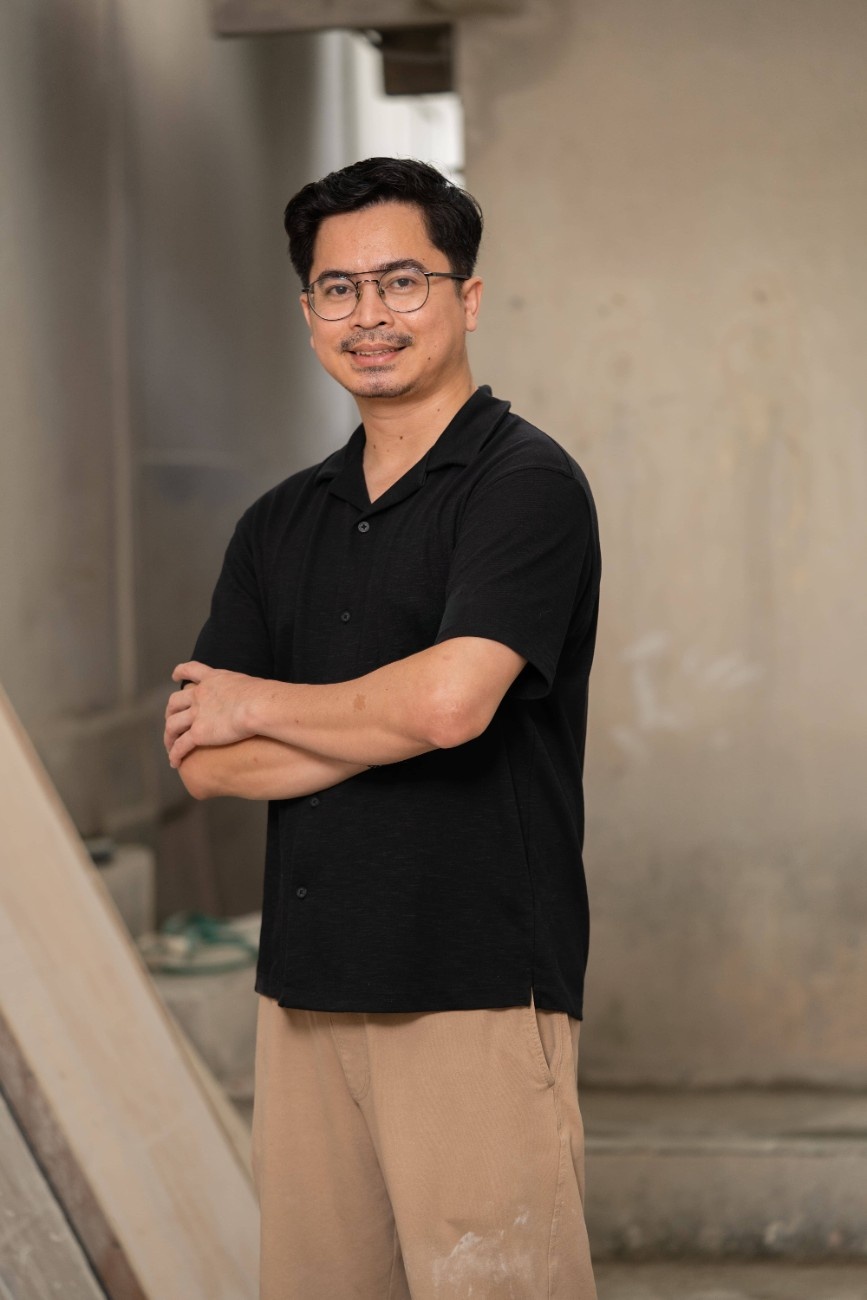
TMAC+U 2 Handhyanto Hardian
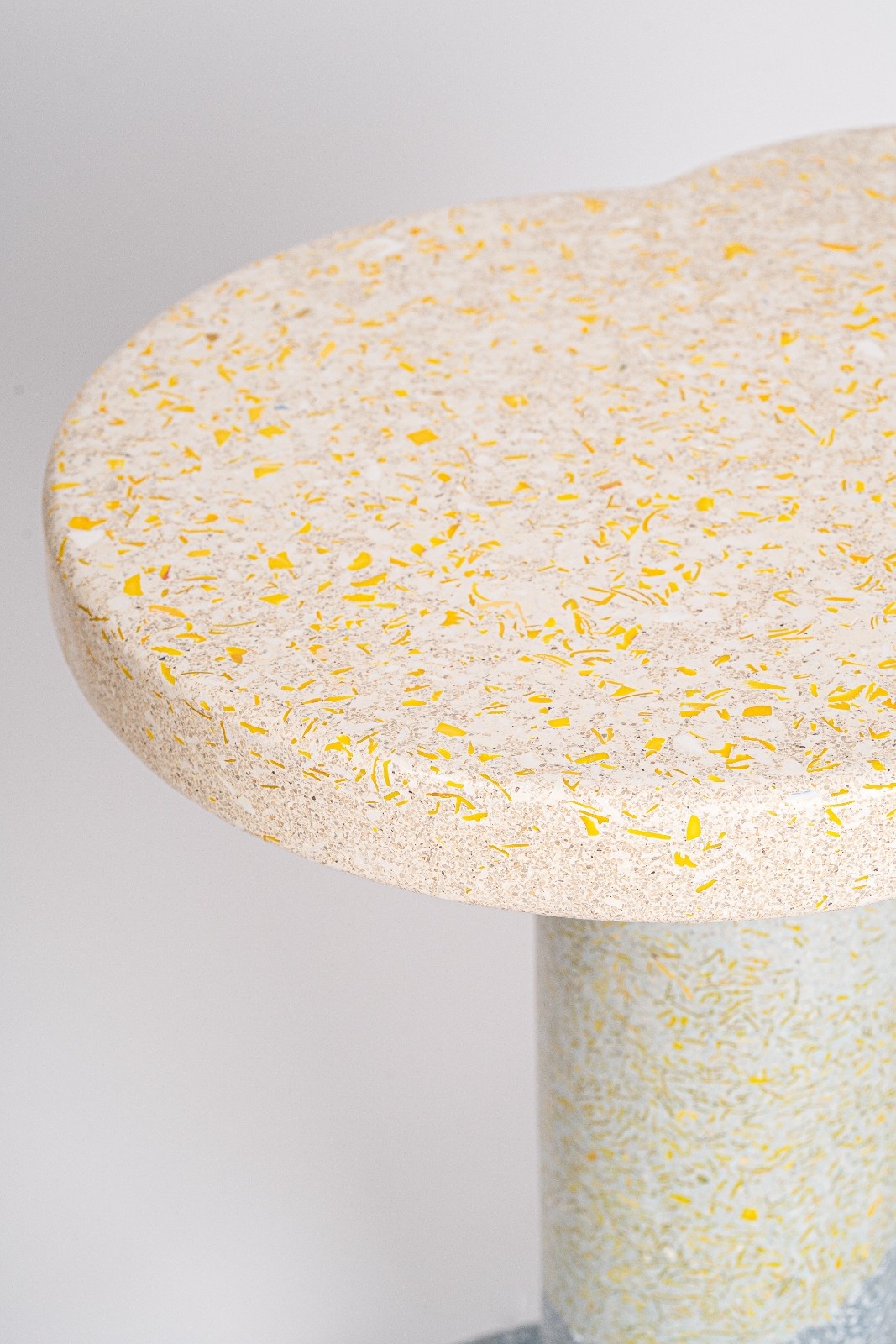
This piece is a testament to the power of transformation—where discarded materials are reborn as objects of beauty. Handhyanto Hardian and TMAC take what’s been left behind—reclaimed resin and recycled plastic—and reimagine them with care and precision. The result is more than just a surface; it’s a narrative of renewal embedded in every layer.
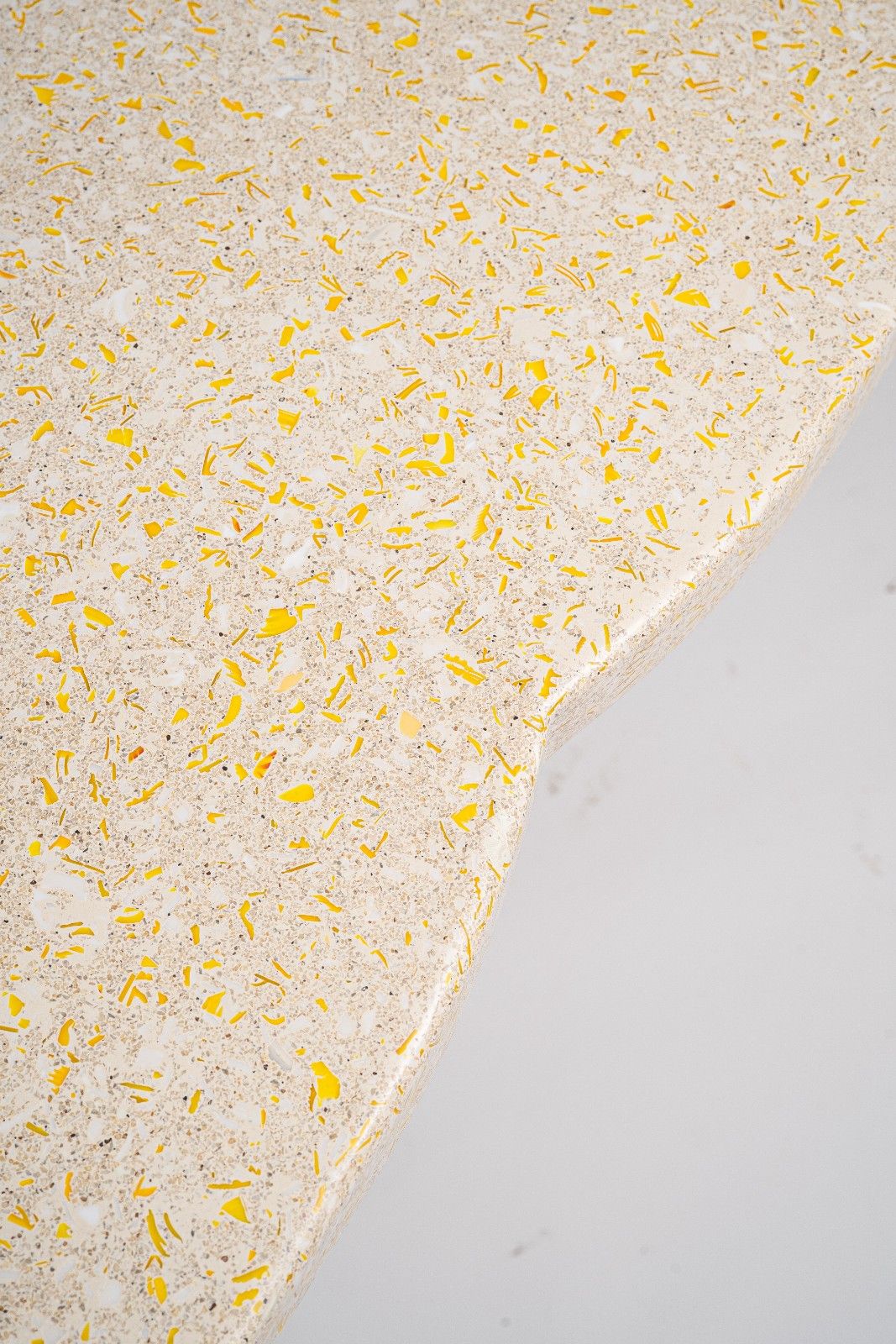
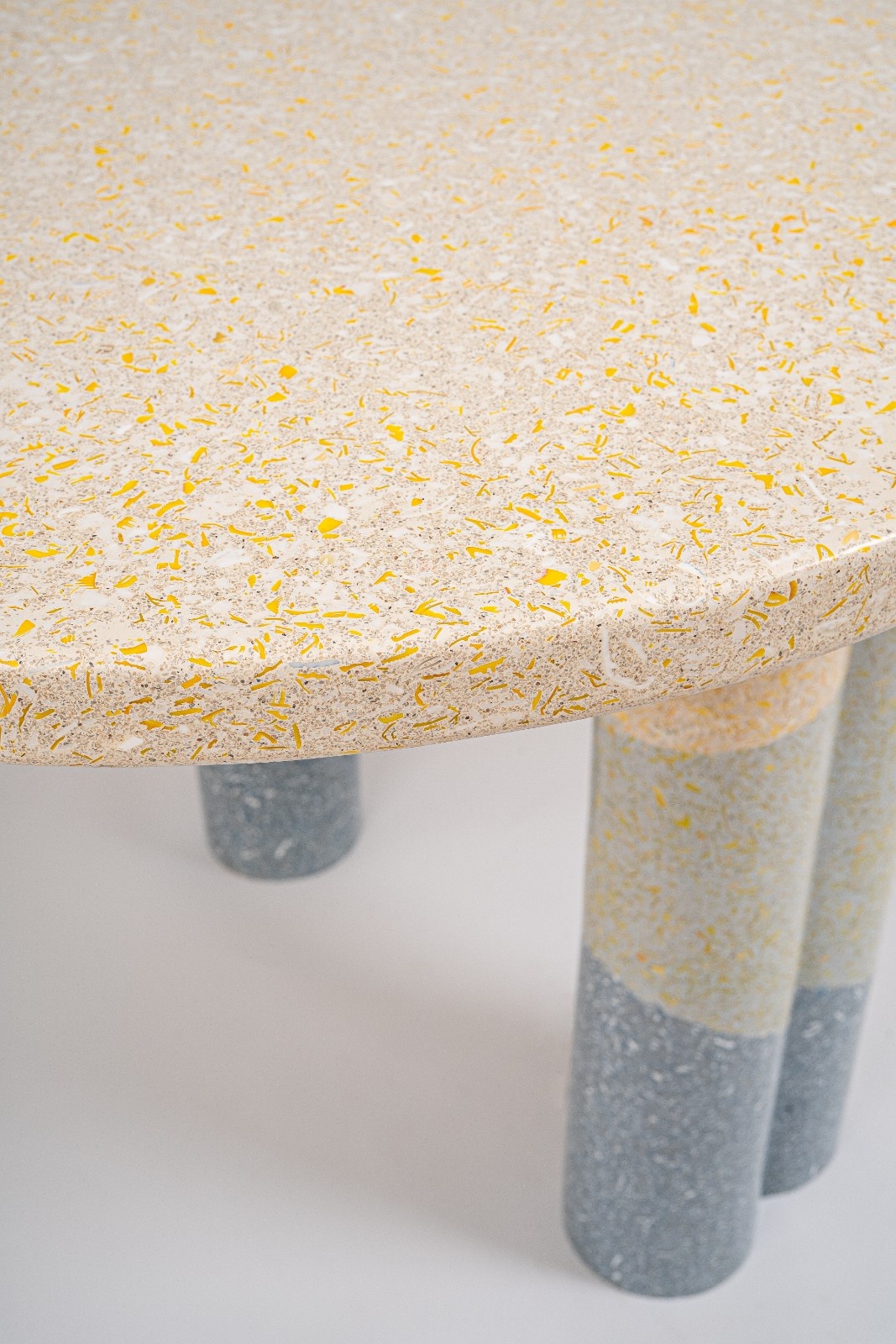
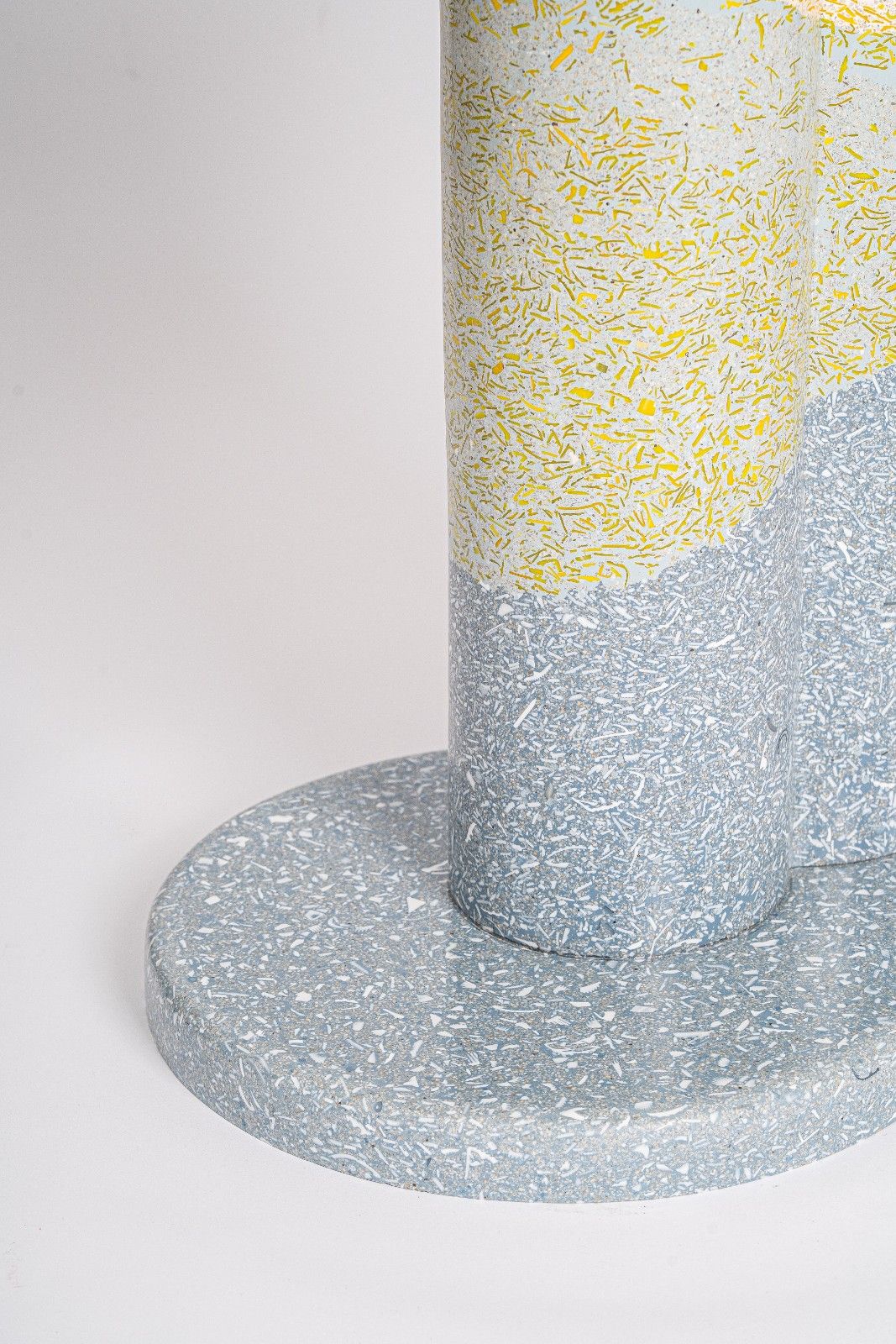
What emerges is a lightweight tapestry of vivid color, delicately balanced between opacity and transparency, density and air. The classic charm of terrazzo is preserved but redefined—made more fluid, more vibrant, and unmistakably modern. Each fragment within the piece catches light differently, creating a sense of motion and depth that shifts with every angle.
This is a work that invites reflection on both material and meaning. It is at once grounded in sustainability and elevated by design—an object that doesn’t just occupy space, but engages with it. In this interplay between form, function, and environmental consciousness, the piece speaks a language of the future while honoring the histories embedded in its materials.
This piece is a testament to the power of transformation—where discarded materials are reborn as objects of beauty. Handhyanto Hardian and TMAC take what’s been left behind—reclaimed resin and recycled plastic—and reimagine them with care and precision. The result is more than just a surface; it’s a narrative of renewal embedded in every layer.
What emerges is a lightweight tapestry of vivid color, delicately balanced between opacity and transparency, density and air. The classic charm of terrazzo is preserved but redefined—made more fluid, more vibrant, and unmistakably modern. Each fragment within the piece catches light differently, creating a sense of motion and depth that shifts with every angle.
This is a work that invites reflection on both material and meaning. It is at once grounded in sustainability and elevated by design—an object that doesn’t just occupy space, but engages with it. In this interplay between form, function, and environmental consciousness, the piece speaks a language of the future while honoring the histories embedded in its materials.